

















Mini ‘how-to’ Bluetooth/Wifi combo for Raspberry PI
Stick’em with the pointy end
Since I have been spending a great deal of my time playing in the field of 3D design and printing, I have only recently stumbled upon, and had time to read, “Privacy for Me and Not for Thee,” penned by Catherine A. Fitzpatrick, a human rights activist whom I first encountered in the virtual world of Second Life.
Virtual and not so Virtual Space
Not long ago, someone asked if I liked 3D printing better than virtual worlds. The short answer is, equally but differently.
Be Still my Bleeding Heart …
“Secure web servers are the equivalent of heavy armored cars. The problem is, they are being used to transfer rolls of coins and checks written in crayon by people on park benches to merchants doing business in cardboard boxes from beneath highway bridges. Further, the roads are subject to random detours, anyone with a screwdriver can control the traffic lights, and there are no police.” — Dr. Eugene Spafford, (Web Security & Commerce, p9, O’Reilly, 1997, S. Garfinkel & G. Spafford)
The Never-ending Privacy Battle
This brings me back to the Hundredpercent American. To some extent he is a pet of mine. I have always rather liked him, because he has some promising qualities. For instance, he has enormous hospitality. I used to feel personally complimented by the amazing warm-hearted hospitality showered on me by Americans.
[…]
When I realized it, I began to say to myself, “This is not a recognition of my own particular merits. Nor is it quite a mania. There is something bigger behind it. An enormous social instinct must be seeking satisfaction through it.”
Then I considered your rage for publicity. An American has no sense of privacy. He does not know what it means. There is no such thing in the country.
George Bernard Shaw
The future of political science in America
Metropolitan Opera House, NYC
11 April 1933
The Many Sides of Bitcoin
Pariah, darling, or somewhere in between. Bitcoin has continued to linger in the daily media spotlight since the shuttering of darknet’s black-market drug bazaar, Silk Road, and the subsequent announcement of the arrest of its alleged owner, Ross William Ulbricht (aka DPR), on October 2, 2013. Media mavens have long cast bitcoin as a sort of “geek fantasy” or in this case, a means to launder dirty money, primarily used by criminals engaging in drug trafficking, credit card fraud, or even murder for hire. Just prior to this news, bitcoin market prices had stabilized, hovering around the mid $100s.
Cyber Jihadists
“We’re facing a very great threat of loosely-coupled, organizational networks that increasingly rely on IT infrastructure to coordinate their movements and recruit young disenfranchised, apathetic guys as suicidal pawns in a sophisticated, dispersed movement. (…)” (AHM, Usenet, September 21, 2001)
Hacker Gangs
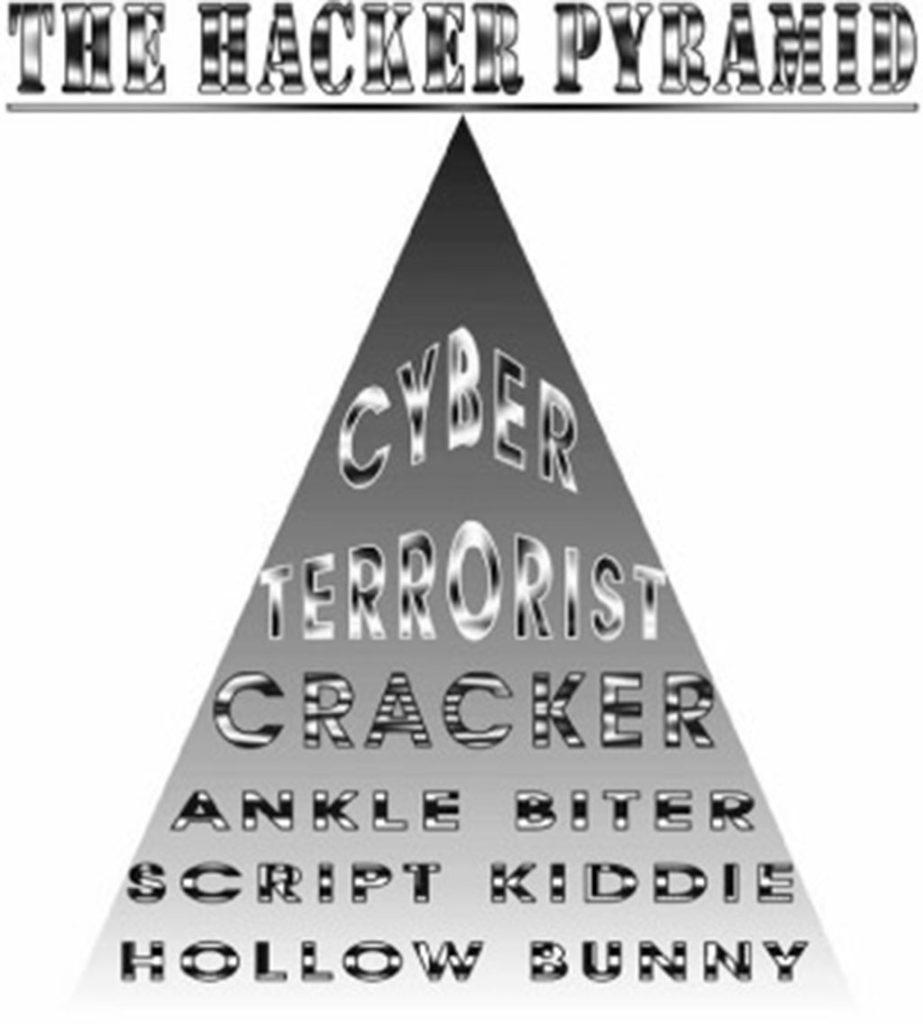
Meet Jim Script Kiddie (skiddie). He is the guy (usually in his early to mid teens) who comes into a hacker forum, asking inane questions like, “how can I be a hacker?” He also tends to over-indulge in “hacker speak” making him look pretty much like a moron to seasoned (and not so) computer netizens.
The New Old War
In 1956, FBI Director, J. Edgar Hoover initiated a program, code-named COINTELPRO (counter intelligence program) ushering in what would become the mainstay for how intelligence communities dealt with domesitic affairs. The sole directive of this program was “to expose, disrupt, misdirect, discredit, or otherwise neutralize” the activities of various dissidents and their leaders.
Dangerous Ideas
“Every era has its dangerous ideas. For millennia, the monotheistic religions have persecuted countless heresies, together with nuisances from science such as geocentrism, biblical archeology, and the theory of evolution. We can be thankful that the punishments have changed from torture and mutilation to the canceling of grants and the writing of vituperative reviews. But intellectual intimidation, whether by sword or by pen, inevitably shapes the ideas that are taken seriously in a given era, and the rear-view mirror of history presents us with a warning.” — Steven Pinker, 2007
Marketing Misery
It has been stated that tragedies bring out the best in us. They also bring out the worst. This seems especially so when the tragedy involves a child. Unlike adult victims however, child victims are generally shielded from the media spotlight. For several reasons, the least of which involves the basic premise that we, as a civilized society, consider it extremely distasteful to feast upon our children’s pain. Or so we claim…
The Sacred Executioner
In his book, “The Sacred Executioner,” Hyam Maccoby notes:
“A figure in mythology that has received little attention is that of the Sacred Executioner. […] By taking the blame for the slaying, he is performing a great service to society, for not only does he perform the deed, but he takes upon himself the blame for it, and thus absolves society as a whole completely from the guilt of a slaying for which they, in fact, are responsible and by which, in theory at least, they benefit.” (Maccoby, 1982, p 7-8)
Scripting Aphrodites
On Wednesday, April 13, 2006, 10-year-old Jamie Rose Bolin was reported missing by her father. Investigators thought she may have been abducted by someone she met online. Oklahoma law enforcement suspected her abductor might be heading just across the border to Texas and requested Texas issue an Amber alert.
Myspace, Meatspace
I have other articles I planned to finish however in browsing tonights news, I was distracted by the recent flurry over myspace. Here are just a few headlines culled from the last two weeks:
There’s a new game in town
The 5th Estate
Welcome to Thought Exercises!
Podcast: Play in new window | Download ()
We’re gonna try podcasting! Wish us luck.
This first podcast, we’ll call podcast zero, provides a teaser of what is to come.
Our podcast series is called Thought Exercises! Okay, yes, we did do the same said podcast, before, when our website was VRHacks. The primary difference was, that podcast was a text2voice rendition of various blog posts.
This one, however, is um… human! Moi!
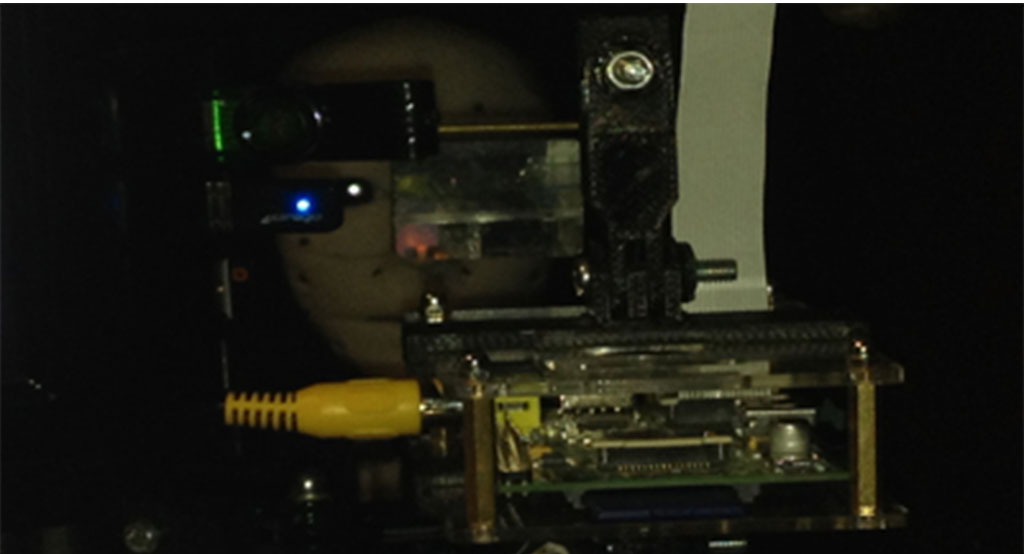
Mini ‘how-to’ Bluetooth/Wifi combo for Raspberry PI
Stick’em with the pointy end
Since I have been spending a great deal of my time playing in the field of 3D design and printing, I have only recently stumbled upon, and had time to read, “Privacy for Me and Not for Thee,” penned by Catherine A. Fitzpatrick, a human rights activist whom I first encountered in the virtual world of Second Life.
Virtual and not so Virtual Space
Not long ago, someone asked if I liked 3D printing better than virtual worlds. The short answer is, equally but differently.
Be Still my Bleeding Heart …
“Secure web servers are the equivalent of heavy armored cars. The problem is, they are being used to transfer rolls of coins and checks written in crayon by people on park benches to merchants doing business in cardboard boxes from beneath highway bridges. Further, the roads are subject to random detours, anyone with a screwdriver can control the traffic lights, and there are no police.” — Dr. Eugene Spafford, (Web Security & Commerce, p9, O’Reilly, 1997, S. Garfinkel & G. Spafford)
The Never-ending Privacy Battle
This brings me back to the Hundredpercent American. To some extent he is a pet of mine. I have always rather liked him, because he has some promising qualities. For instance, he has enormous hospitality. I used to feel personally complimented by the amazing warm-hearted hospitality showered on me by Americans.
[…]
When I realized it, I began to say to myself, “This is not a recognition of my own particular merits. Nor is it quite a mania. There is something bigger behind it. An enormous social instinct must be seeking satisfaction through it.”
Then I considered your rage for publicity. An American has no sense of privacy. He does not know what it means. There is no such thing in the country.
George Bernard Shaw
The future of political science in America
Metropolitan Opera House, NYC
11 April 1933
The Many Sides of Bitcoin
Pariah, darling, or somewhere in between. Bitcoin has continued to linger in the daily media spotlight since the shuttering of darknet’s black-market drug bazaar, Silk Road, and the subsequent announcement of the arrest of its alleged owner, Ross William Ulbricht (aka DPR), on October 2, 2013. Media mavens have long cast bitcoin as a sort of “geek fantasy” or in this case, a means to launder dirty money, primarily used by criminals engaging in drug trafficking, credit card fraud, or even murder for hire. Just prior to this news, bitcoin market prices had stabilized, hovering around the mid $100s.
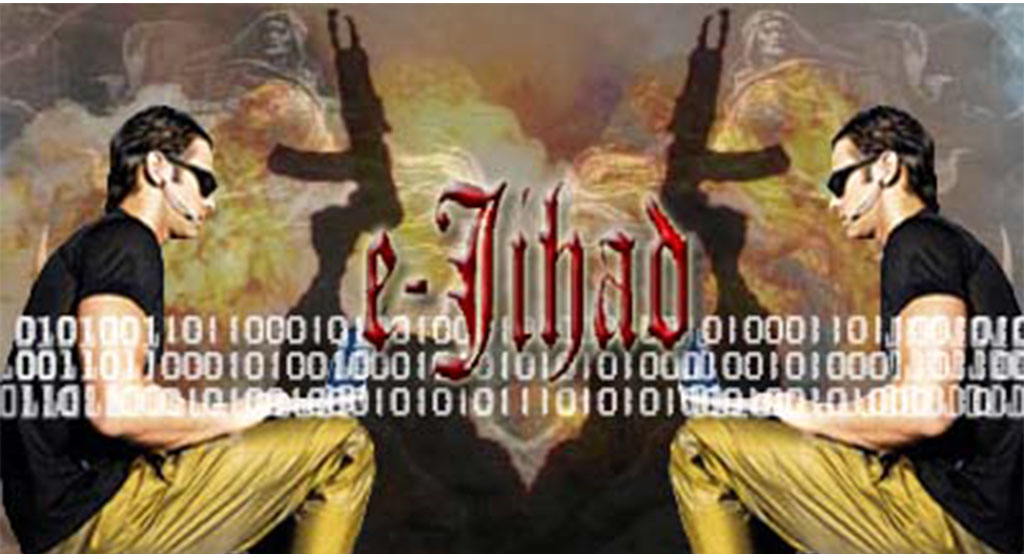
Cyber Jihadists
“We’re facing a very great threat of loosely-coupled, organizational networks that increasingly rely on IT infrastructure to coordinate their movements and recruit young disenfranchised, apathetic guys as suicidal pawns in a sophisticated, dispersed movement. (…)” (AHM, Usenet, September 21, 2001)
Hacker Gangs
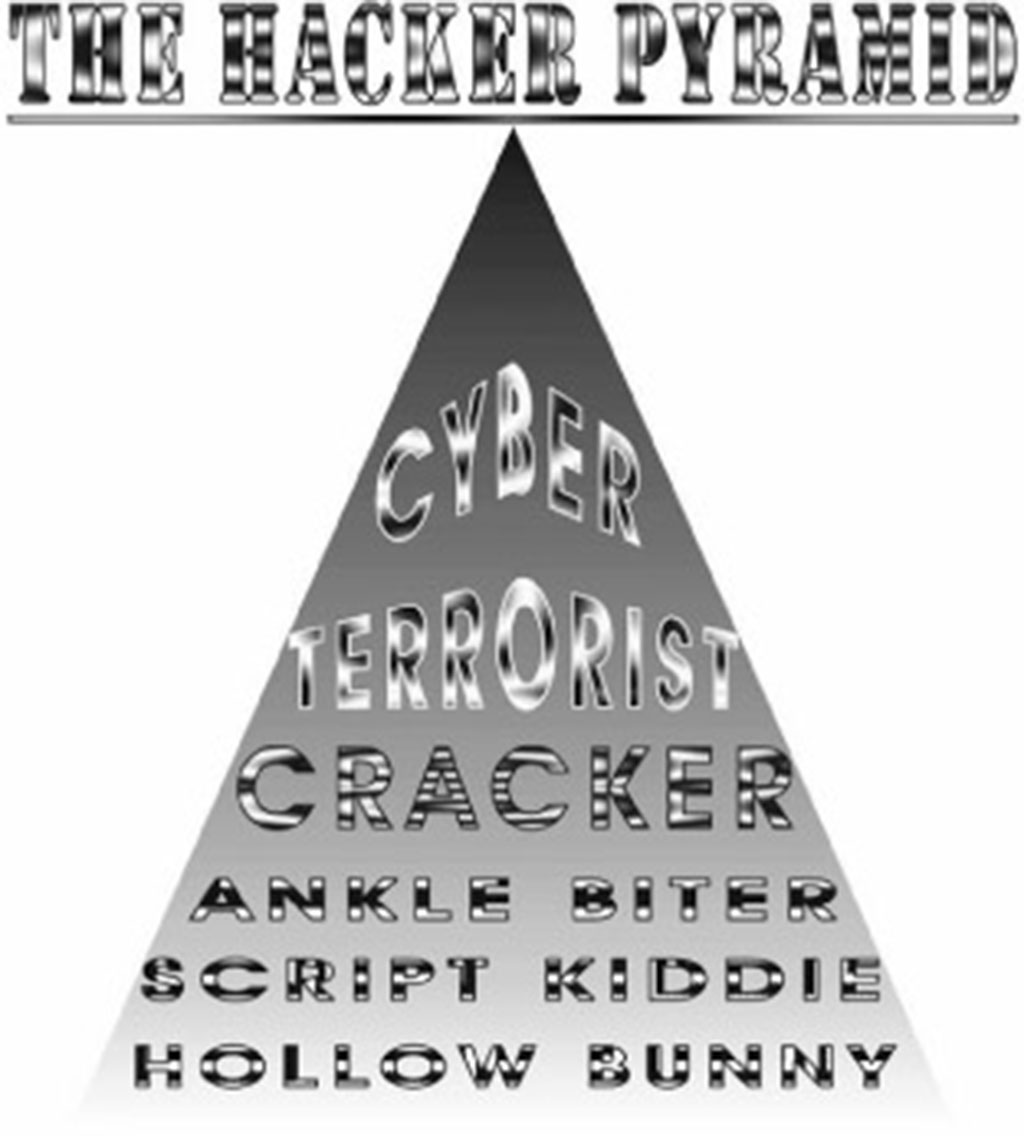
Meet Jim Script Kiddie (skiddie). He is the guy (usually in his early to mid teens) who comes into a hacker forum, asking inane questions like, “how can I be a hacker?” He also tends to over-indulge in “hacker speak” making him look pretty much like a moron to seasoned (and not so) computer netizens.
The New Old War
In 1956, FBI Director, J. Edgar Hoover initiated a program, code-named COINTELPRO (counter intelligence program) ushering in what would become the mainstay for how intelligence communities dealt with domesitic affairs. The sole directive of this program was “to expose, disrupt, misdirect, discredit, or otherwise neutralize” the activities of various dissidents and their leaders.
Little Barbie Girls
Rebecca Zook of Mashable penned a curious article, “Why Computer Engineer Barbie is Good for Women in Tech.” Curious, because she proceeds to explain why she feels Engineer Barbies are good for us. How they somehow open our eyes and minds to being more tolerant of women in Engineering. And while her claim makes a compelling sound byte, her view is rather… anachronistic.
Ghost in the Machine
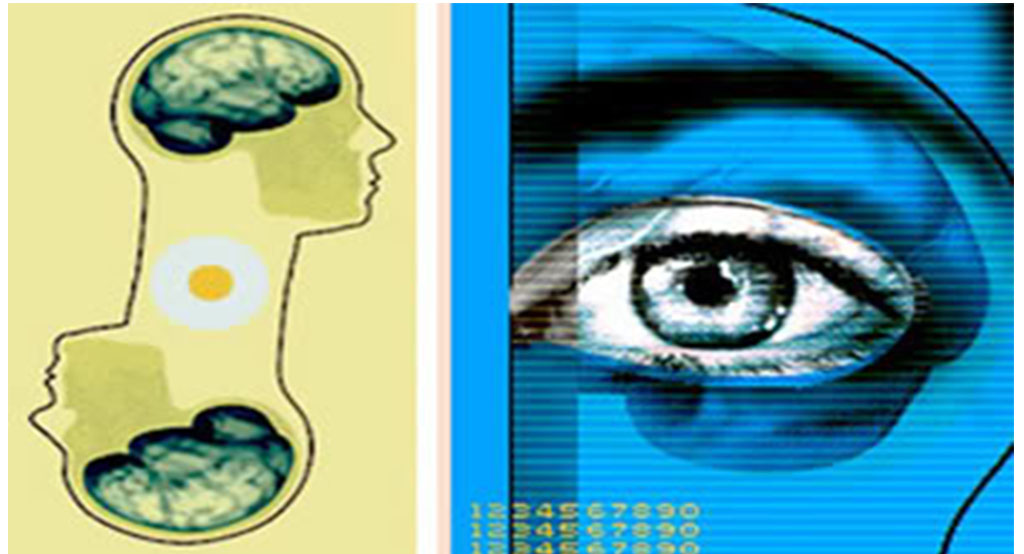
The phrase, “ghost in the machine,” was coined by 20th century British philosopher, Gilbert Ryle as a means of characterizing 17th century mathematician and philosopher, René Descartes theory of mind. Descartes theory was an offshoot of the age-old dualism theories that dated back to Plato and Aristotle. His theory—referred to as Cartesian Dualism—distilled dualism into today’s mind-body theories, wherein “consciousness and self-awareness” were mind, and brain was “intelligence.” Descartes further went on to propose that the seat of the soul was the pineal gland.
Augmenting Reality
There has been a lot of buzzing about augmented reality. In the spring of this year, MIT student, Pranav Mistry, gave a demo of his new gadget, the Sixth Sense. The idea of his invention is to augment our everyday activities with overlays of information culled from the Internet.
Let’s repeat that.